The D-8 Health & Social Protection Programme (HSP) catalyzes our Member Countries with evidence-based advocacy and partnership that facilitate health trade, livelihoods, and the attainment of SDGs 1, 2 and 3.
The Developing-8 (D-8) is an alliance of eight emerging economies — Bangladesh, Egypt, Indonesia, Iran, Malaysia, Nigeria, Pakistan and Turkey — representing roughly 13% of the world's population. Since 2018, the D-8 Health & Social Protection Programme has worked to improve health and living standards across the bloc, in an accelerated push toward Universal Health Coverage.
Our work is guided by the Strengthen, Equity and Transform (SET) flagship programme, anchored on innovative financing, health trade and data for performance and impact.
Read Our Story“We are optimistic that our activities and approach will have an impact and enable D-8 citizens to achieve their full economic potential within their lifetime.”
Three cross-cutting strategic goals drive our five-year plan — Strengthening health financing, ensuring Equity through trade, and Transforming outcomes with data.
Crowding-in innovative financing and partnerships — including Zakat, Takaful and Waqf models — to strengthen health systems and social protection.
Unlocking the health market potential of Member Countries and scaling up private-sector-led pharmaceutical and health-product trade.
Deploying a shared data visualizer and innovation hubs to drive evidence-based decision making across the bloc.
Eazy Zakat is the innovative financing initiative of D-8 HSP — a secure, streamlined platform for giving and receiving Zakat, Sadaqah and Waqf, helping mobilize sustainable domestic resources for health and social protection.

From policymakers to private-sector partners and civil society, the D-8 HSP welcomes collaboration to accelerate SDGs 1, 2 and 3 across our Member Countries.
A programme of the D-8 Organization for Economic Cooperation, established to accelerate progress on health-related Sustainable Development Goals across eight emerging economies.
The Developing-8 (D-8) Organization for Economic Cooperation is one of the foremost multilateral platforms for development partnership, representing an alliance of eight emerging economies: Bangladesh, Egypt, Indonesia, Iran, Malaysia, Nigeria, Pakistan and Türkiye.
Together the bloc is home to approximately 1.1 billion people — about 13% of the world’s population — across 7.6 million square kilometers of land. Inaugurated in 1997, the D-8 set out to improve Member States’ position in the global economy, diversify trade relations, and improve standards of living. In 2018, following the 41st Council Meeting, the D-8 established the Health & Social Protection Programme (HSP) to bring the same ambition to health and human capital development.
Citizens represented across the D-8 bloc
Of the world’s Muslim population lives within D-8 countries
D-8 Member Countries face health system and market failures that undermine the quality, access and affordability of health care — particularly for the poor and vulnerable. Good health is a precursor to socio-economic prosperity, yet public health financing across the bloc averages just 3.5% of GDP.
Evidence shows a one-year increase in life expectancy can raise a country’s GDP by roughly 4%.
Safe, affordable and equitable access to health care and social protection is a fundamental right, especially for the poor and vulnerable.
D-8 Member Countries have committed to SDG 3 targets, including Universal Health Coverage and financial risk protection for all citizens.
Soliciting commitment from Member States and key influencers to sustain investment in health and social welfare.
Building an evidence base with a strong results framework demonstrating cost savings and impact gained.
Ensuring alignment across Member States to guarantee universal access to health and social protection.
Focusing on initiatives that build local capacities and cross-country transfer of learnings.
All HSP interventions are anchored on seven strategic pillars adopted at the 2019 Consultative Meeting in Abuja. Our current five-year plan focuses on the first three as cross-cutting priorities.
Corporate shared value, social investment boards, Zakat and Takaful, and solidarity board financing for health.
Strengthening the health care value chain, public-private partnership and medical manufacturing across Member States.
Information technology for data access, innovation transfer hubs, and knowledge sharing.
Early childhood development, elderly care, youth empowerment, disability care and gender equality.
Primary health care strengthening, health security, medical supplies, insurance and health promotion.
Health promotion, medical diagnostics and screening, environmental management and palliative care.
Human resources for health, clinical governance, community engagement, results and accountability.
“Improving the health and living standards of all citizens of D-8 countries is paramount to us and requires buy-in and commitment of government of D-8 countries to steer key reforms. We are optimistic that our activities and approach will have an impact and enable D-8 citizens to achieve their full economic potential within their lifetime.”
Dr. Ado J.G. Muhammad, OON
Global Director, D-8 HSP
Estimated five-year (2021–2025) programme budget
Core Sustainable Development Goals we accelerate
Our flagship five-year programme (2021–2025) focuses on three cross-cutting strategic goals culled from our seven pillars — each designed to catalyze health financing, trade and data across the D-8 bloc.
Considering the timeline for this strategic plan, D-8 HSP has focused on three cross-cutting strategic goals with ripple effects across our full mandate.
Total health expenditure across D-8 countries averages just 3.5% of GDP. Achieving the SDG health agenda requires an estimated USD $290–350 billion in additional investment, a gap widened further by the COVID-19 pandemic.
D-8 HSP strengthens Member Countries’ health systems by crowding-in innovative financing and partnerships — including Zakat, Takaful and Waqf-based models — and advocating for a first floor of social protection (ILO Recommendation 202).
Despite a preferential trade agreement in place since 2011, intra-D-8 trade remains just 4–6% of trade with the outside world — leaving only an estimated $150m of a combined $2.8bn pharmaceutical export capacity traded within the bloc.
Through the SET programme, D-8 HSP scales up trade in health products and supports private-sector-led manufacturing to widen equitable access to affordable medicines for the most vulnerable populations.
Weak accountability mechanisms are exacerbated by a shortage of accurate, timely health data — limiting Member Countries’ ability to plan and respond, as the COVID-19 pandemic made clear.
D-8 HSP is transforming the health sector by harnessing data-driven evidence through a shared D-8 visualizer, existing databases such as WHO and JHU, and cross-country knowledge sharing.
Untapped health markets, weak governance and regulatory policy, low domestic resource mobilization, and scarce tech-driven innovation.
Initiates financing toolkits, policy advocacy, health value chain assessments, B2B/B2G trade frameworks, and a shared data visualizer.
Health insurance for 220 million additional citizens, increased inter-trading in health, and improved data quality and visibility.
Lives saved, suffering reduced, and improved economic prospects for the poorest and most vulnerable in D-8 countries — with a booming health market that reduces the burden of health expenses on citizens.
Our programme targets three broad categories of beneficiaries across Member Countries, balancing rural and urban participation.
Lower-income households and communities, with emphasis on women and children — targeting 65% rural and 45% urban participation.
Key policy makers, regulators and private-sector leaders influencing the policy process.
On-ground organizations addressing socio-economic challenges identified across Member Countries.
Align with and accelerate government reforms on priority areas, convening and coordinating efforts across Member Countries to maximize impact.
Continuously analyze and use data for evidence-based advocacy, staying flexible and adaptive to evolving country priorities.
A dedicated project team housed at the D-8 HSP Secretariat in Abuja, Nigeria works with governments, the private sector and CSOs/NGOs, with periodic reviews and evaluations.
See how D-8 HSP is putting innovative Islamic financing to work — making it easy to give and receive Zakat, Sadaqah and Waqf.
Born out of D-8 HSP’s Innovative & Sustainable Financing pillar, Eazy Zakat is a secure, streamlined platform empowering the charitable journey of D-8 citizens and upholding the values of Zakat while amplifying its impact.
D-8 HSP’s strategic plan identifies Zakat, Takaful, Waqf and other Islamic social-finance mechanisms — alongside corporate shared value and diaspora funding — as innovative pathways to mobilize sustainable domestic resources for health. Learning from social-health investment strategies in Indonesia and Malaysia, D-8 HSP champions these models as a route to Universal Health Coverage.
Eazy Zakat brings that vision to life as a dedicated digital platform: a secure, transparent, and accountable way to fulfil Zakat obligations and connect givers directly with beneficiaries in need.
“The most seamless way to give and receive Zakat — empowering your charitable journey with a secure and streamlined platform, designed to uphold the values of Zakat and amplify its impact.”
Real-time updates and a user-friendly dashboard give complete visibility into fund allocation, with audit trails and verified beneficiary identities.
Contribute and manage Zakat, Sadaqah and Waqf from home or on the go, with flexible payment options for collection and distribution.
Every transaction and personal data point is protected with advanced encryption — maximum security with effortless usability.
Accurately calculate your Zakat with a user-friendly tool designed to simplify the process and ensure precise calculations.
Fulfil your obligation effortlessly with a one-time payment or instalment option, ensuring your Zakat reaches those in need.
Track the impact of your donations and see how your contributions are making a meaningful difference.
Create a free account, select a nearby attester for profile validation, and request the specific assistance you need.
The platform efficiently sorts and matches available funds with the most critical, highest-priority requests in a local area.
Submit a report updating the platform on how requested funds were used, including progress and outcomes.
Pay your Zakat with ease, ensuring timely and impactful contributions that fulfil your charitable obligation.
Extend a helping hand and spread kindness through voluntary giving — every act of generosity counts.
Invest in Waqf endowments to create a lasting impact, guaranteeing ongoing benefits for vital initiatives.
Eazy Zakat is an independent platform operated as the child programme of D-8 HSP. Visit eazyzakat.org to create your free account.
Eazy Zakat is a secure digital platform for giving and receiving Zakat, Sadaqah and Waqf — the child programme of the D-8 HSP’s innovative financing pillar.
Yes. Creating an account on eazyzakat.org is free for both givers and beneficiaries.
Anyone looking to fulfil their Zakat obligation, give Sadaqah, invest in Waqf, or request verified assistance.
Zakat is an obligatory form of almsgiving in Islam, calculated as a share of qualifying wealth, given to those in need.
D-8 HSP translates its Strengthen, Equity and Transform agenda into practical programmes on the ground — combining digital technology, direct health service delivery, and innovative Islamic social finance.
D-8 HSP’s partnership with Dimagi harnesses the CommCare Connect platform to strengthen frontline workforce coordination, digital data collection and community-level service delivery.
Learn MoreBringing essential health care, nutrition, and maternal and child health services directly to underserved communities across D-8 Member Countries, starting with Nigeria.
Learn MoreHarnessing Zakat, Sadaqah and Waqf through accountable institutions and digital technology — including the Eazy Zakat platform — to reduce poverty and strengthen social protection.
Learn MoreD-8 HSP supported NCAOOSCE in developing its national strategy and joined its stakeholder and validation engagement to help return 20 million out-of-school children to education by 2027.
Learn MoreExplore the evidence base behind our programmes — user testing reports, field research and outreach data.
Digital Health, Community Health Workforce and Data for Performance — a strategic partnership between D-8 HSP and Dimagi, the global technology organisation behind the CommCare platform.
The D-8 Health and Social Protection Programme has developed a strategic partnership with Dimagi to strengthen digital health delivery, frontline workforce management and data-driven decision-making.
The partnership supports D-8 HSP’s Data for Performance and Impact agenda by using digital tools to improve the way frontline health and community workers receive assignments, collect information, deliver services and report results. D-8 HSP is recognised by Dimagi as a long-standing CommCare Connect implementer, with experience across the Connect product and access to both Frontline Worker (FLW) and Network Manager (NM) users.
Through CommCare Connect, frontline workers can receive opportunities and tasks, complete learning activities, deliver services and submit information digitally — moving programmes away from fragmented paper-based processes towards structured, accessible, data-driven systems.
In July 2026, D-8 HSP participated in a targeted CommCare Connect product user-testing exercise with frontline workers, designed to identify usability challenges before wider deployment.
Mobile Redesign, Daily Startup, Synchronisation, Demographic Data, Messaging, OCS Tasking and Solicitation Management.
Recruiting participants, conducting frontline-worker testing sessions, providing the testing environment, coordinating Dimagi’s remote participation, and documenting observations.
Testing identified areas requiring refinement — including synchronisation, navigation, notifications, terminology, profile completion and onboarding — now informing product improvements.
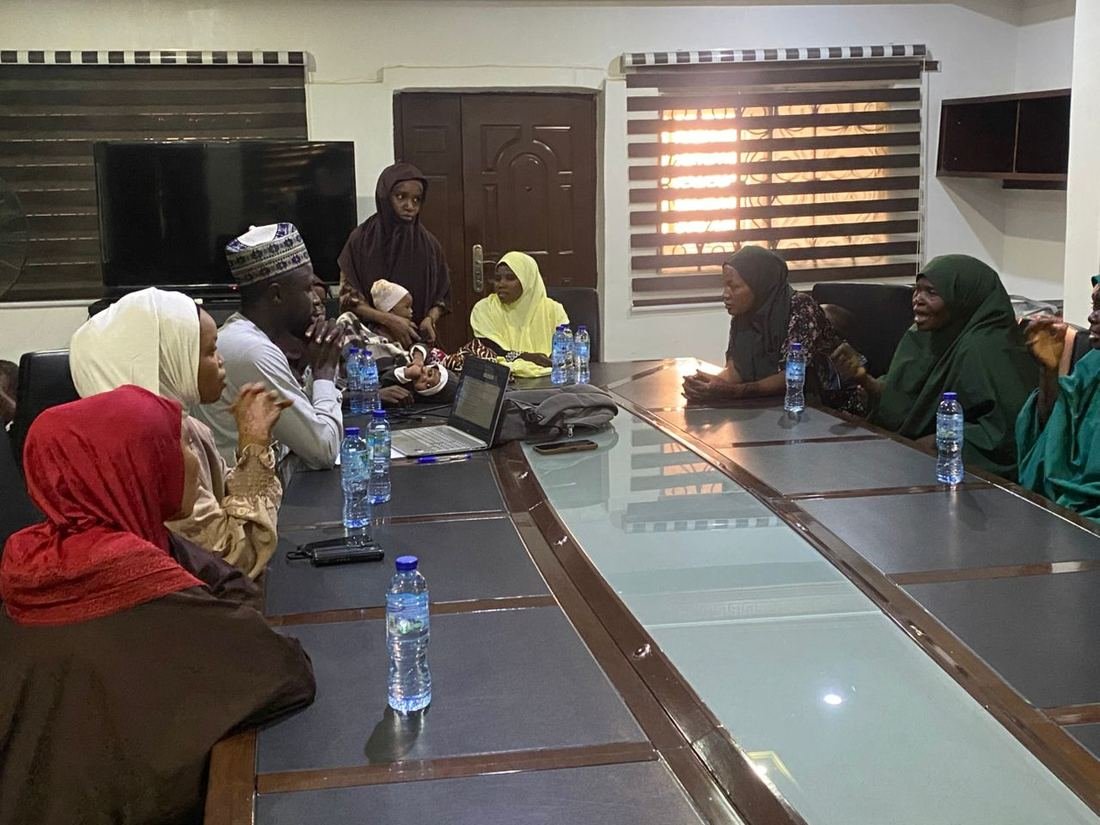
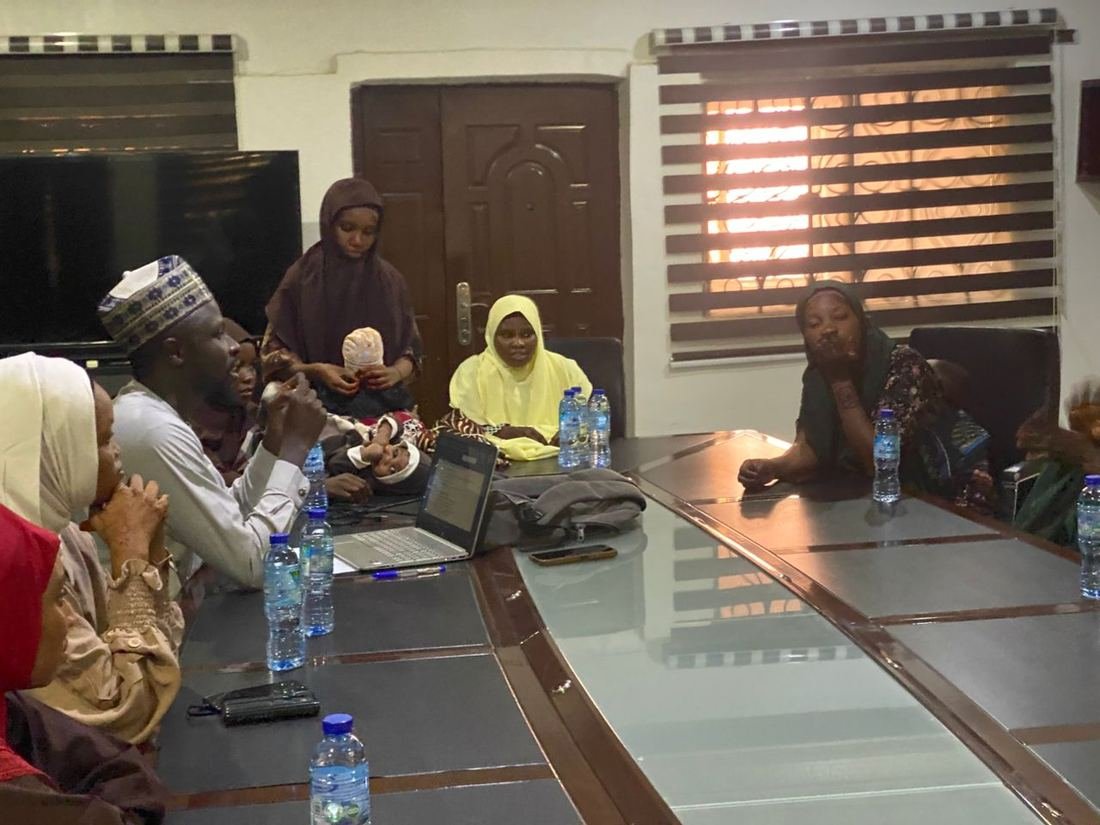
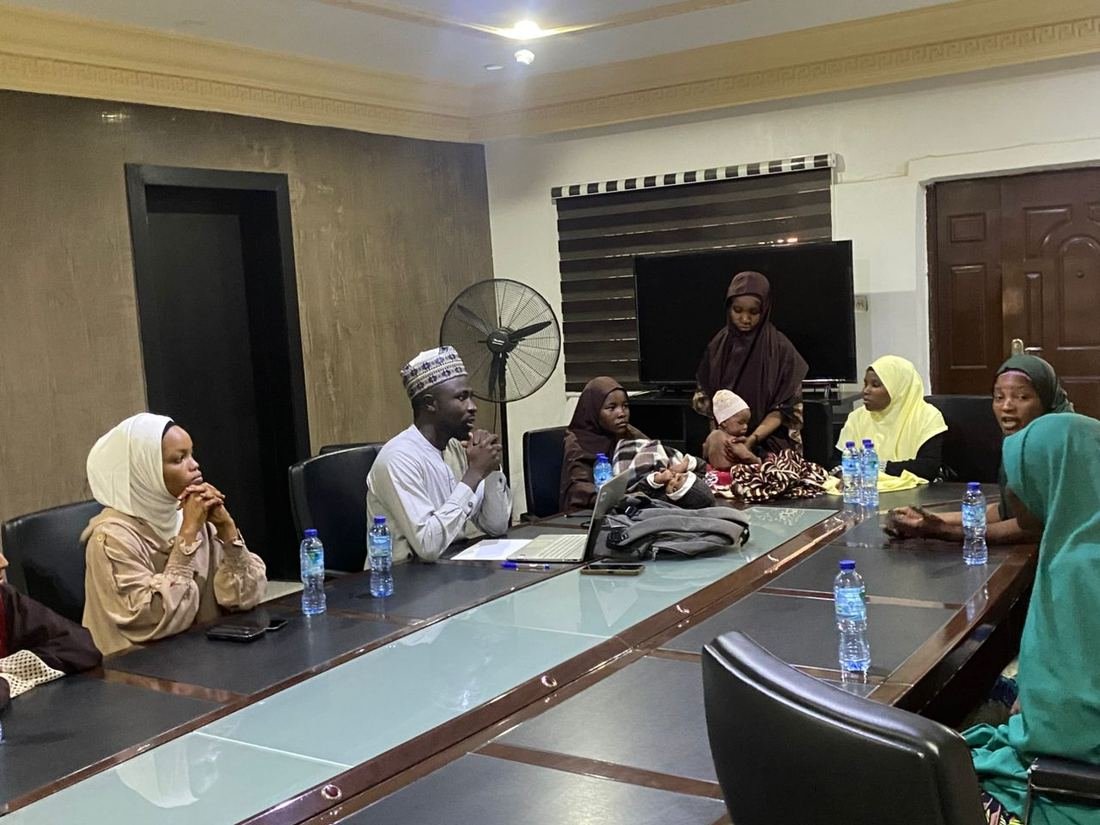
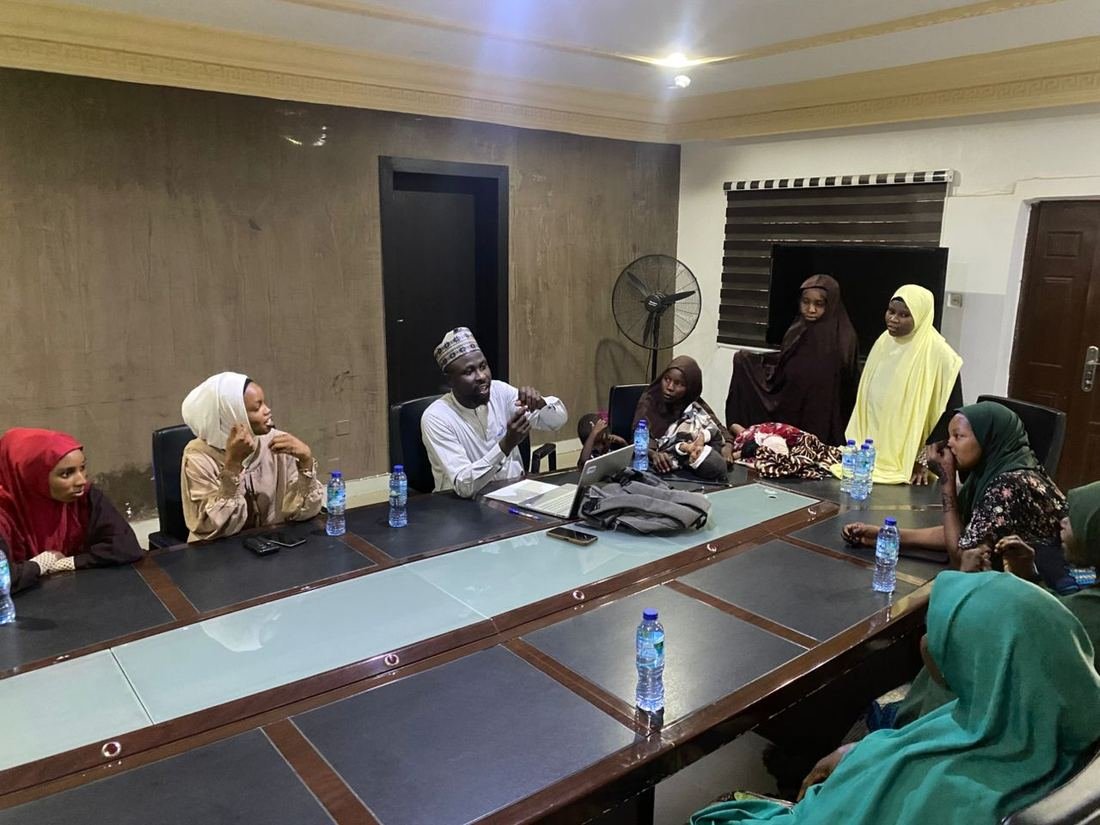
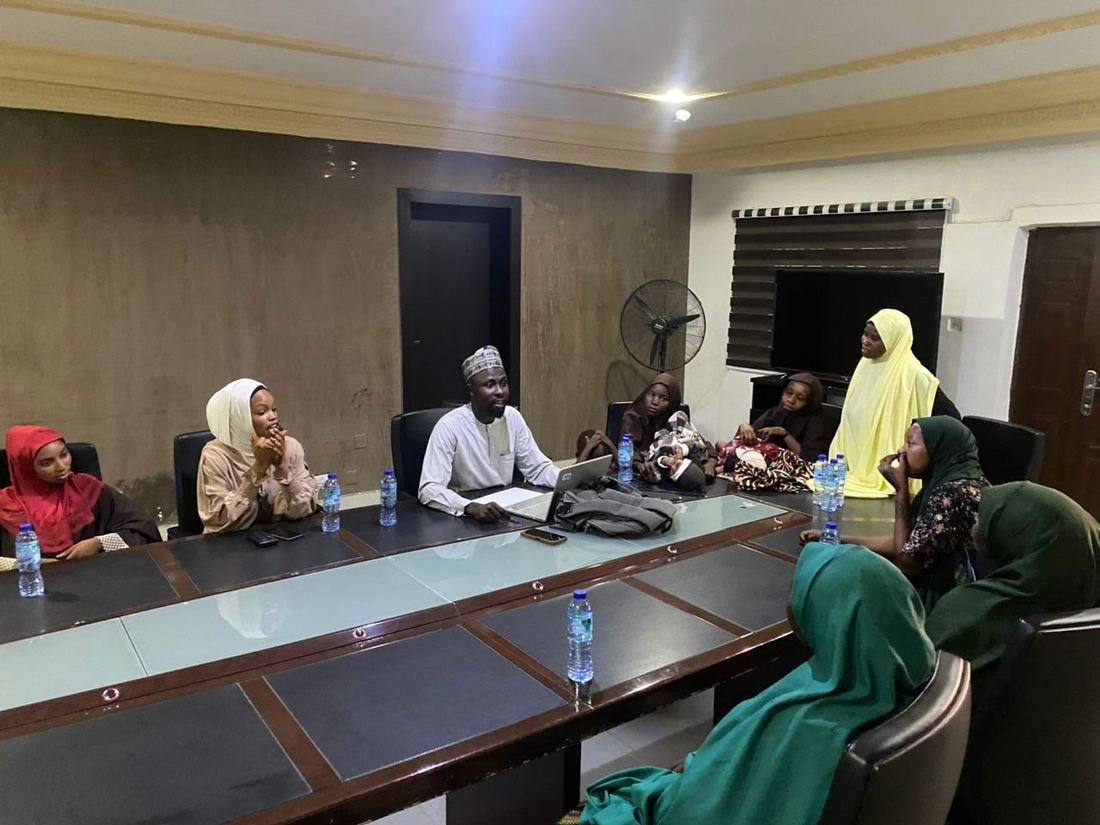
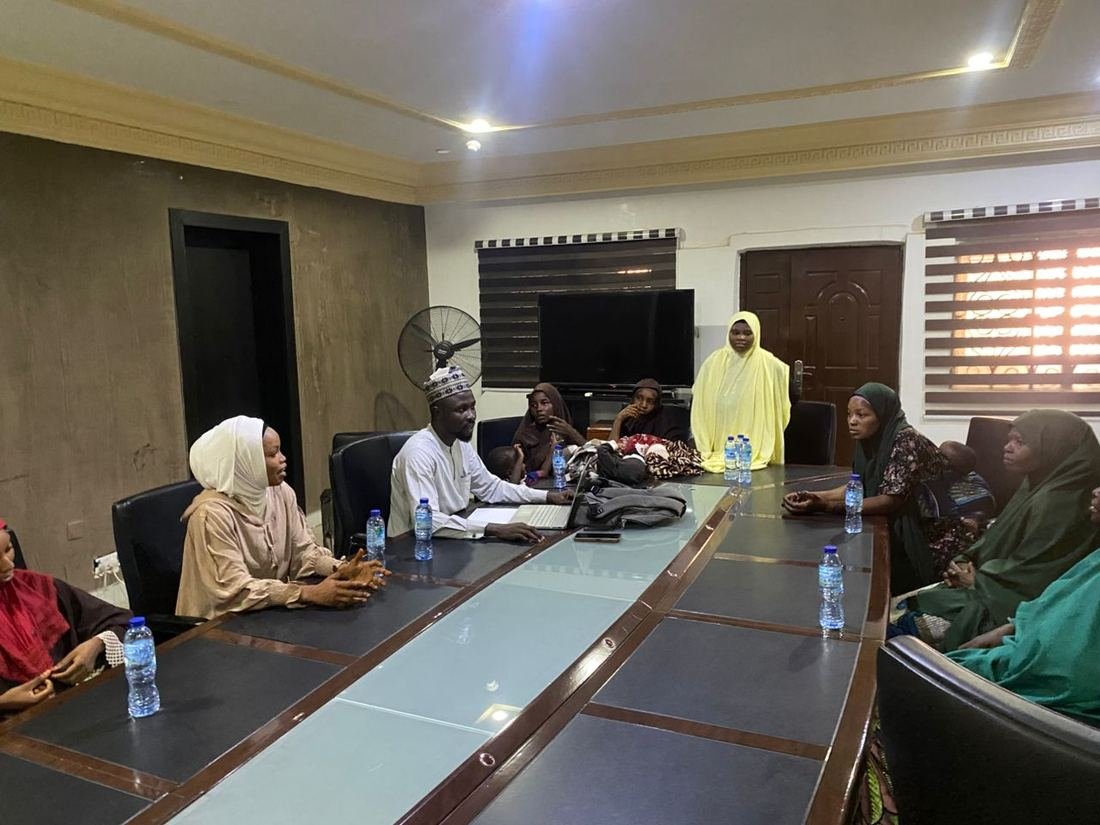
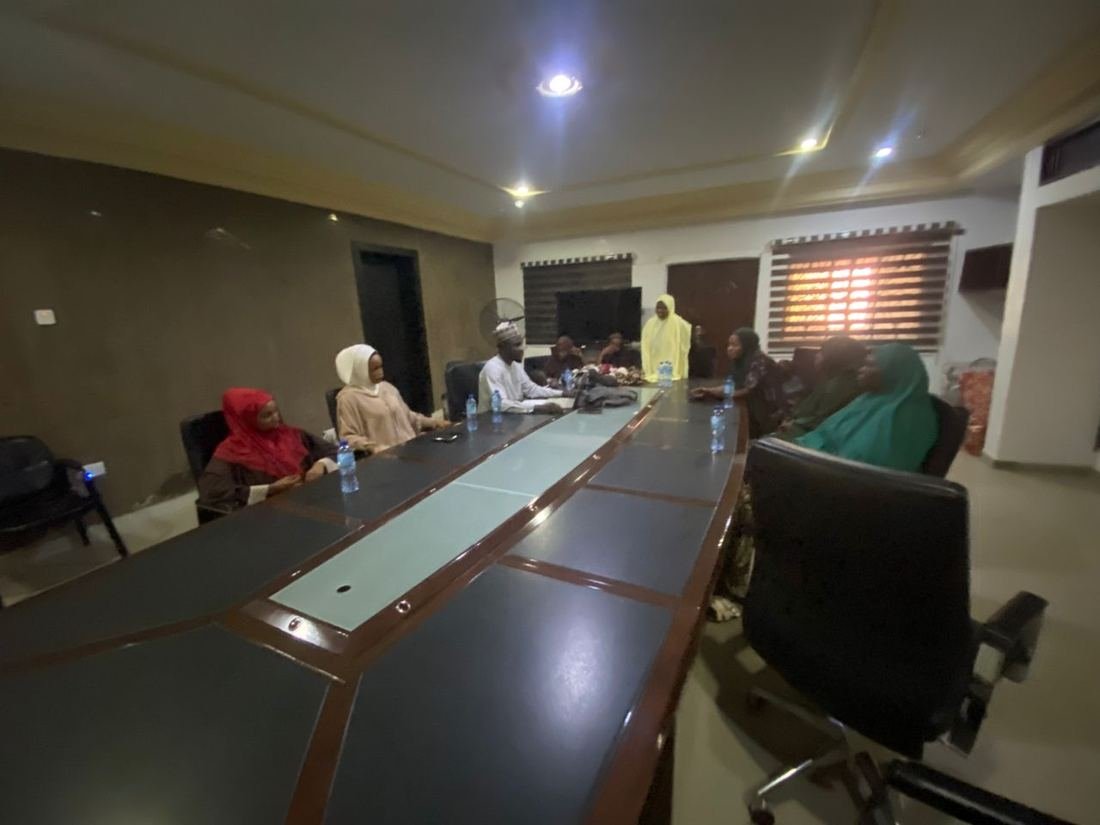
Photos from community field research supported by digital data collection tools.
Enhancing Community Health for Resilience — translating D-8 HSP’s health and social protection mandate into practical, community-level interventions for women, children and other vulnerable populations.
The D-8 HSP Medical Missions and Community Outreach Programme is one of the Programme’s key mechanisms for translating its health and social protection mandate into practical community-level interventions, focused on underserved communities and strengthening collaboration with government health institutions, health professionals and community structures.
The inaugural 2024 Medical Mission and Outreach was implemented in Nigeria and designed to improve health outcomes, strengthen community resilience and generate evidence that can inform health policies and programmes.
Officially launched on 28 June 2024 at the Niger State Specialist Hospital in Minna, Niger State — aligned with existing Maternal, Newborn and Child Health (MNCH) Week activities across selected states and the FCT.
Hypertension screening, blood sugar testing, HIV testing and malaria testing.
Family planning services, maternal and child health counselling, and distribution of maternal delivery kits.
Vitamin A supplementation, zinc/ORS and micronutrient support, deworming, and multiple micronutrient supplements for pregnant women.
Use of the CommCare App to assess community health and nutritional needs and inform D-8 HSP dashboards.
Implemented across Niger, Enugu, Jigawa, Kano and Kwara States, and the Federal Capital Territory — concurrently with each state’s MNCH Week activities.
Children under 5 and pregnant/breastfeeding mothers reached across selected LGAs
Complete Mama Delivery Kits distributed, plus counselling and blood screening services
Bedsheets and pillowcases provided to reduce the financial burden on expecting families
Cumulative doses of Albendazole, Vitamin A (249,500) and MMS (3,085,200) distributed
The Medical Missions programme is designed not simply as a series of medical outreaches but as a mechanism for:
Service → Data → Evidence → Policy → Stronger Health Systems
Through community engagement and digital data collection, D-8 HSP seeks to understand local health needs, provide targeted interventions, and use evidence to improve future programmes. In 2023, D-8 HSP also supported the construction of a 10-bed hospital ward in Kaduna State to strengthen primary healthcare infrastructure.
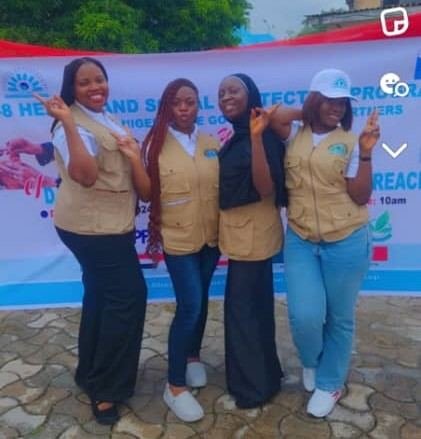
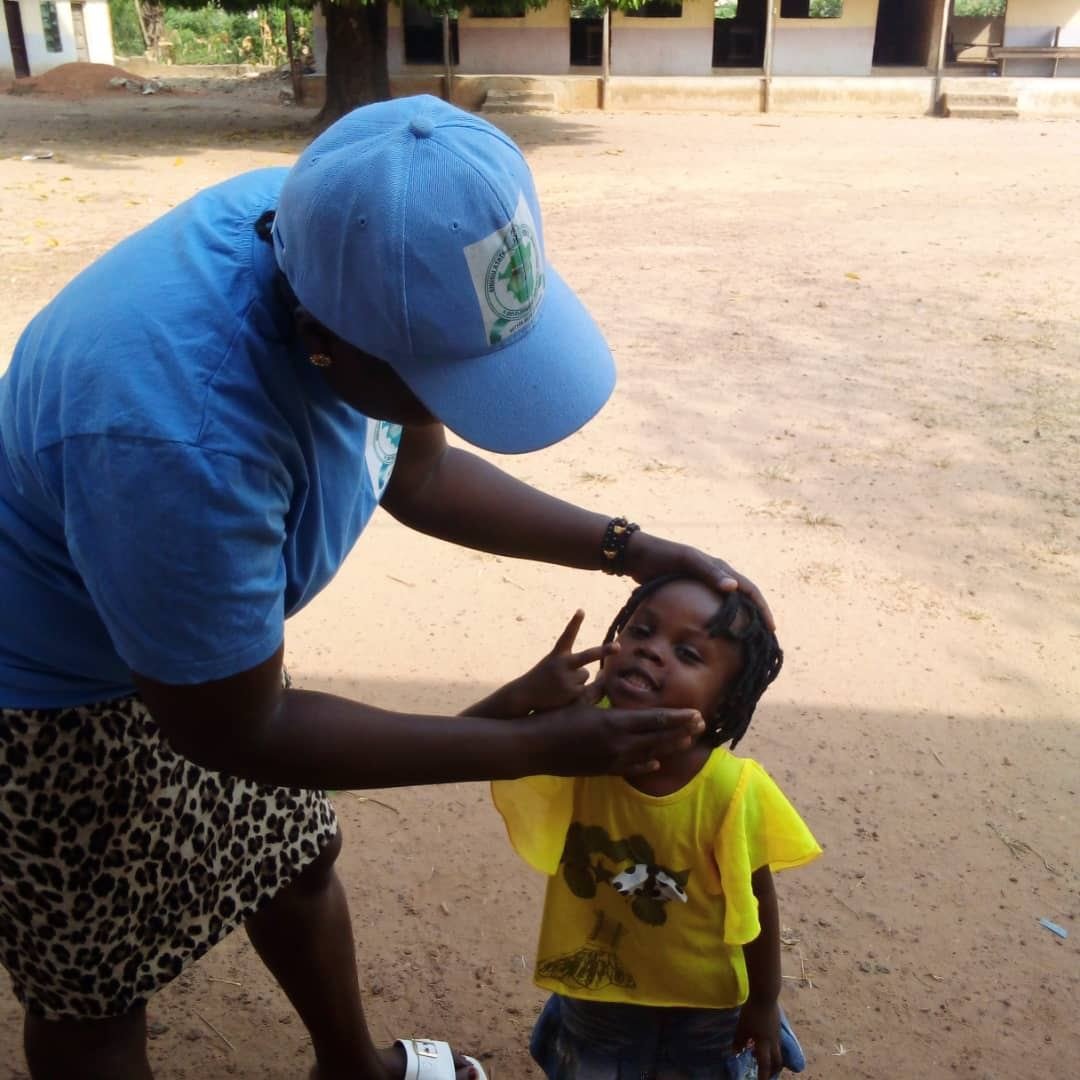
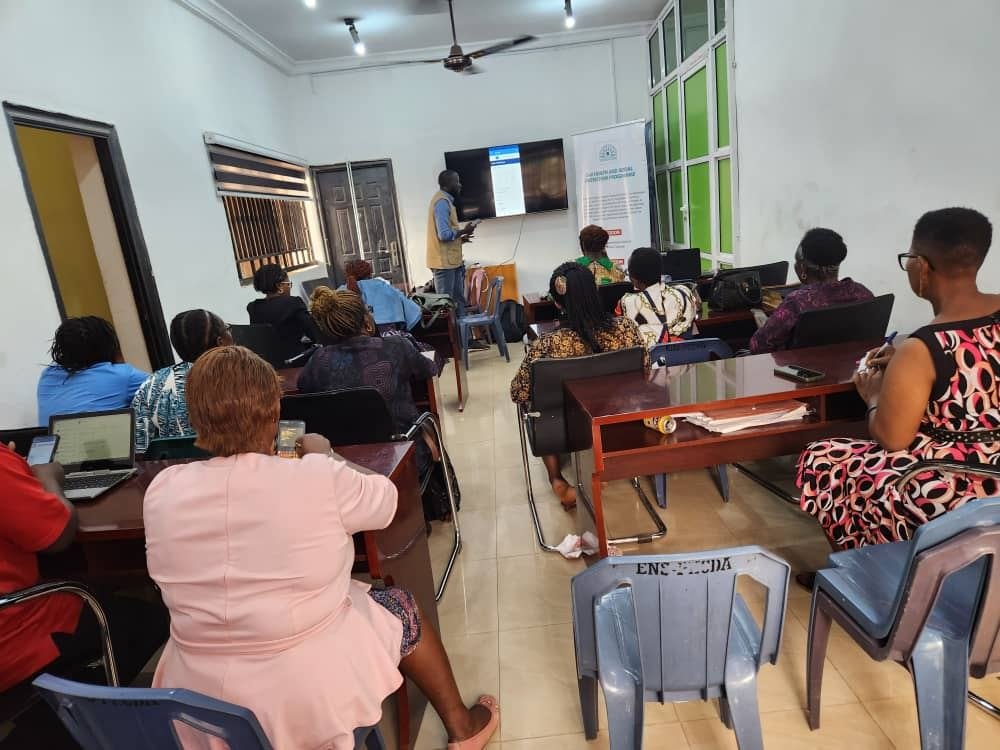
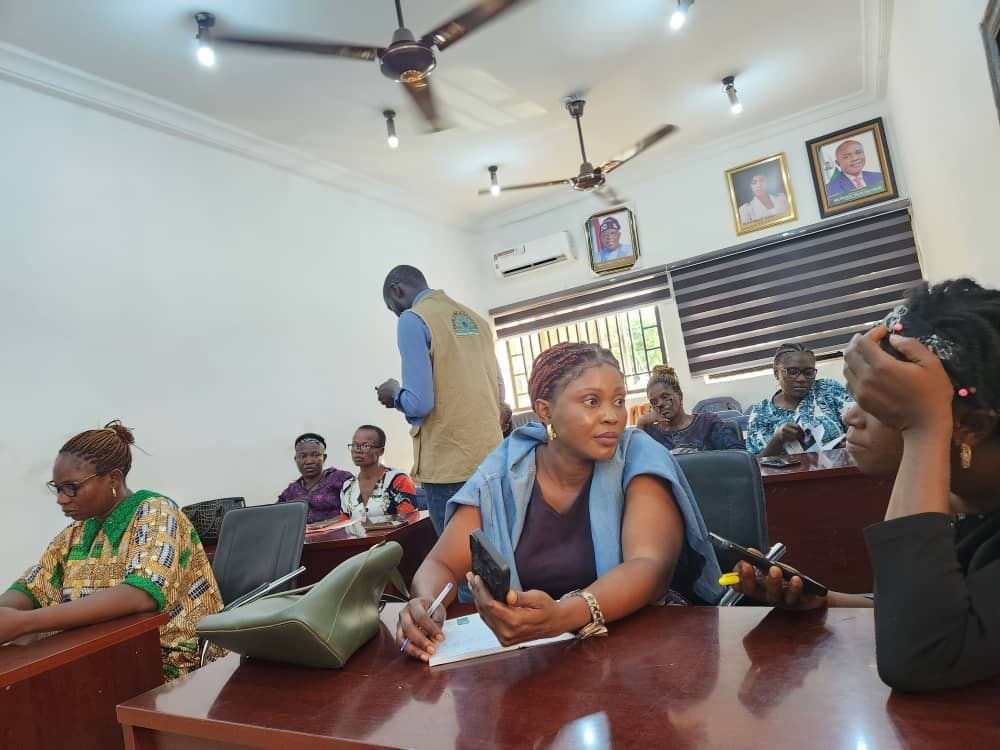
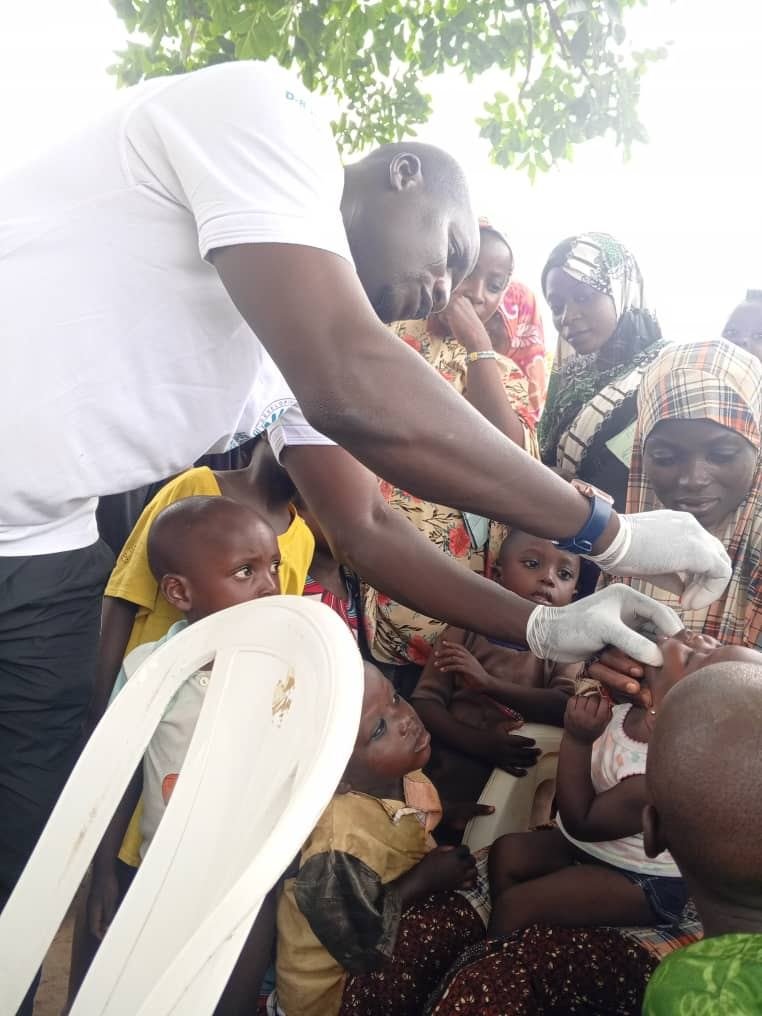
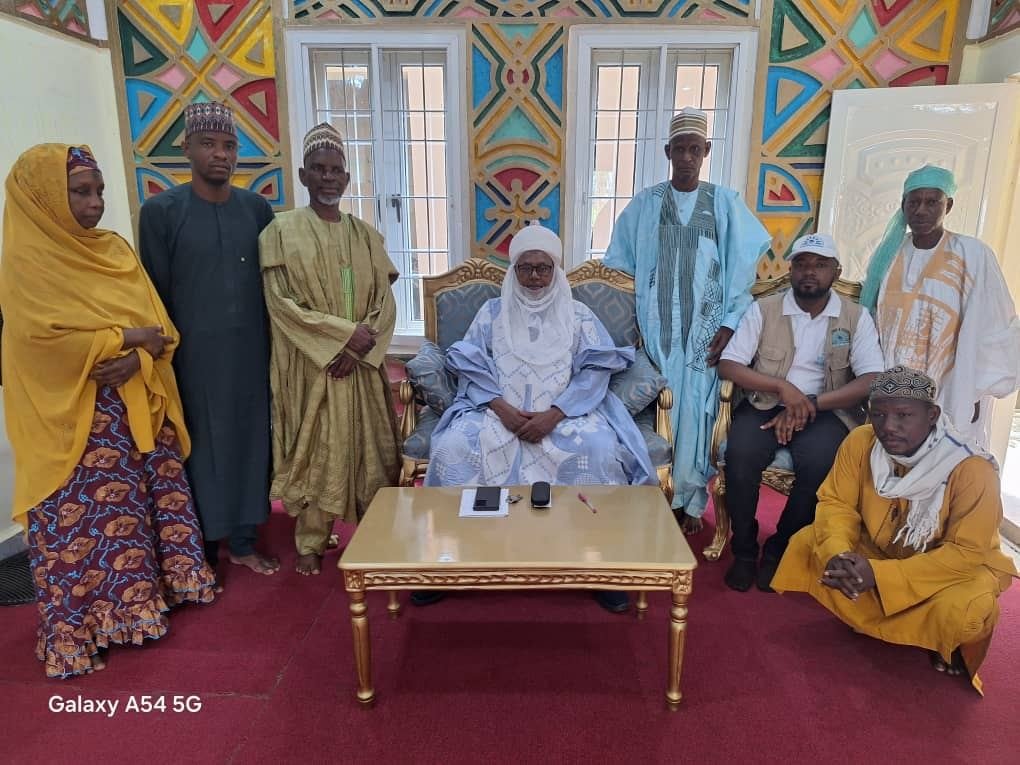
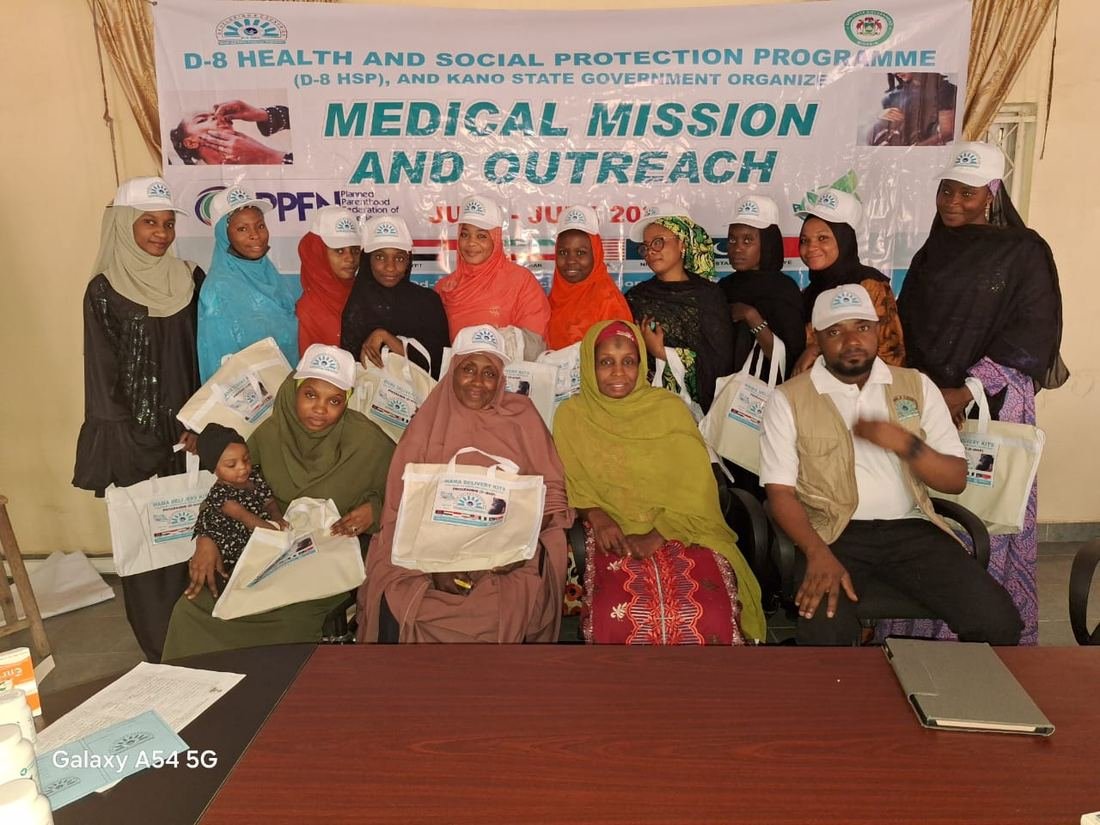
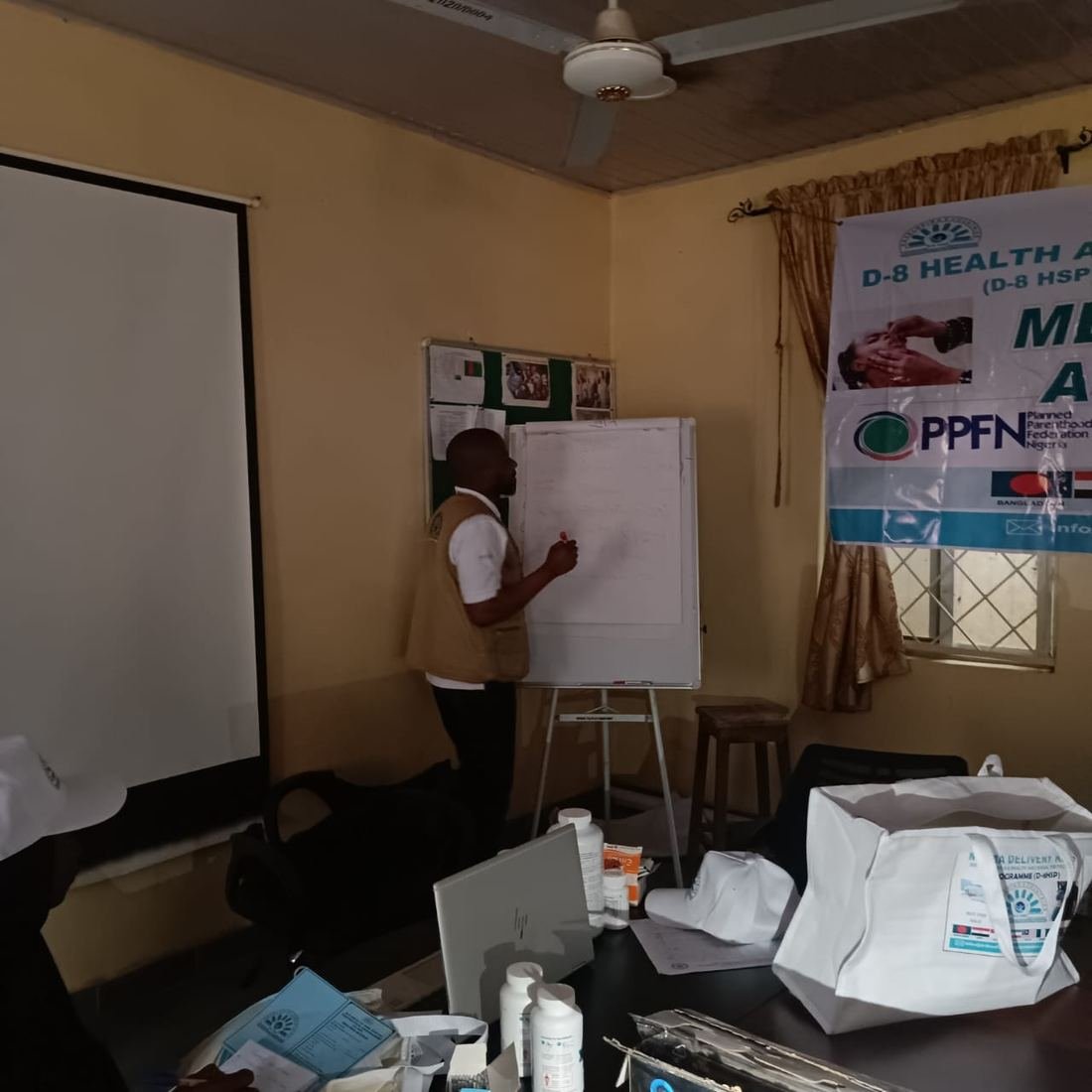
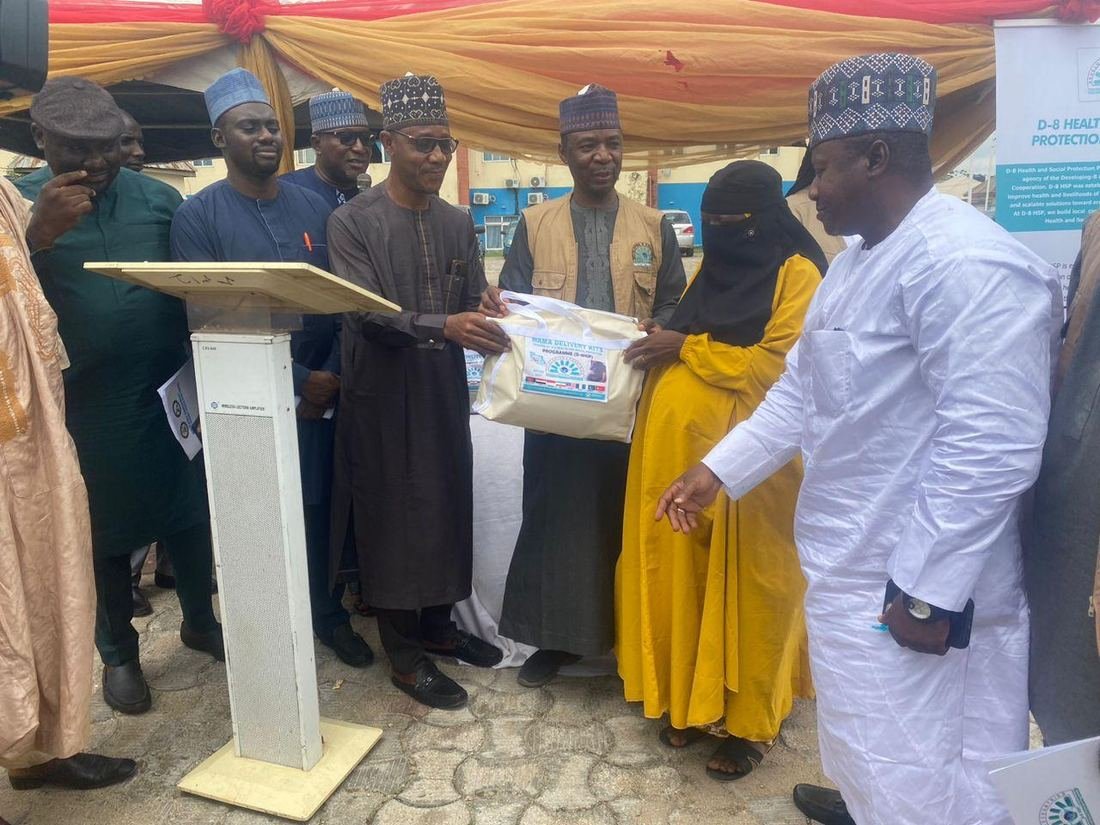
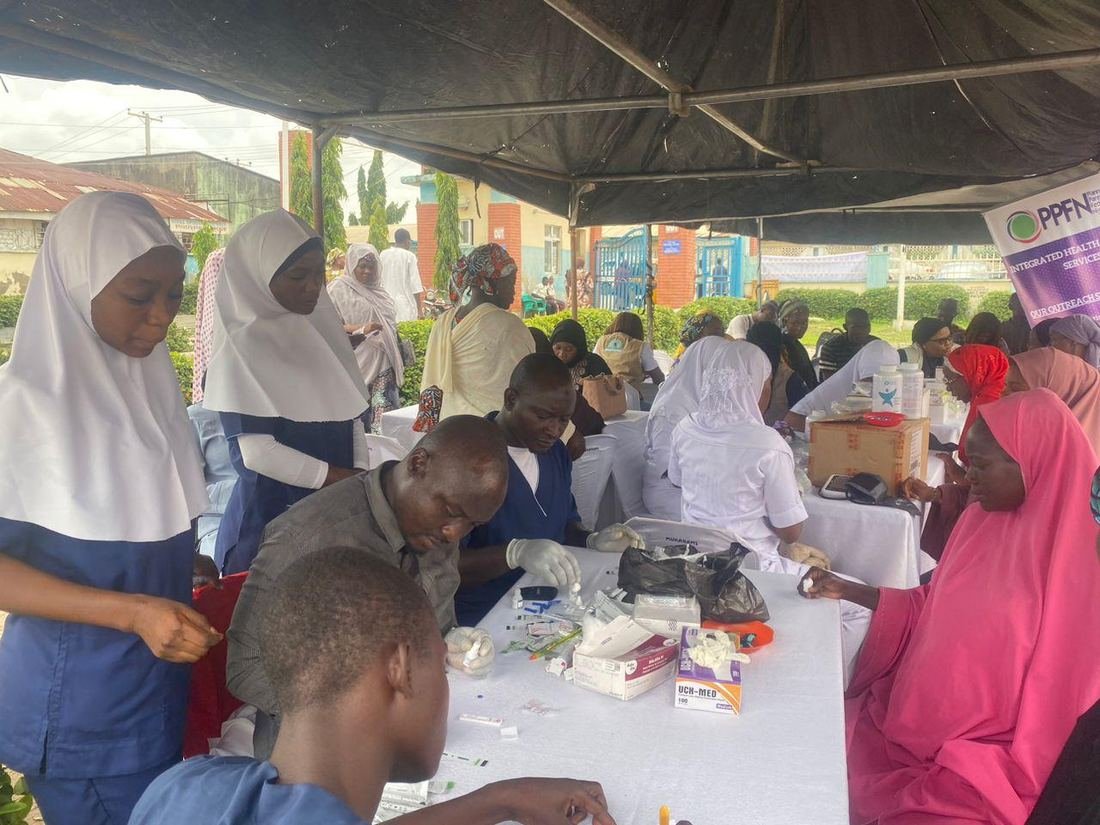
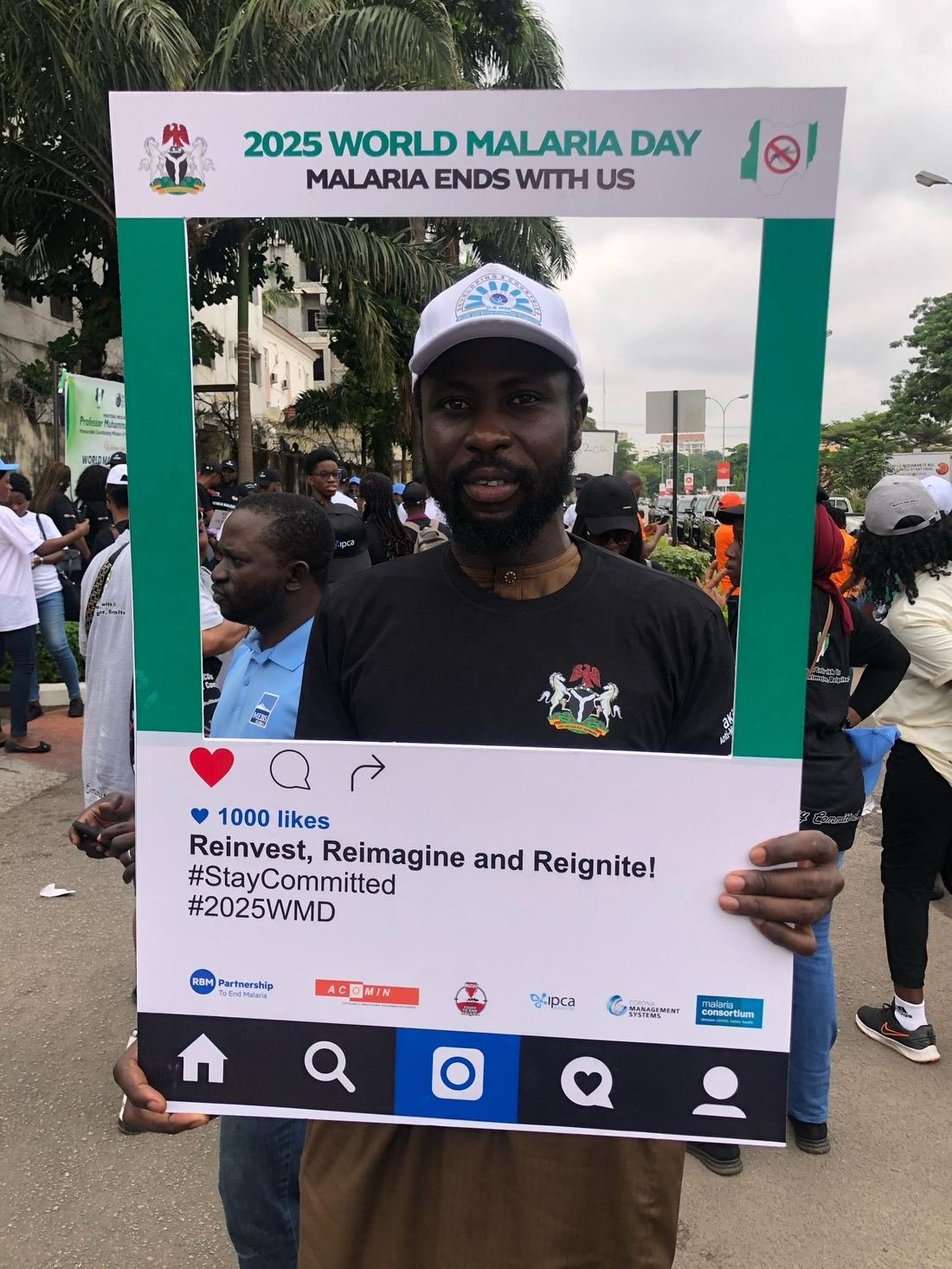
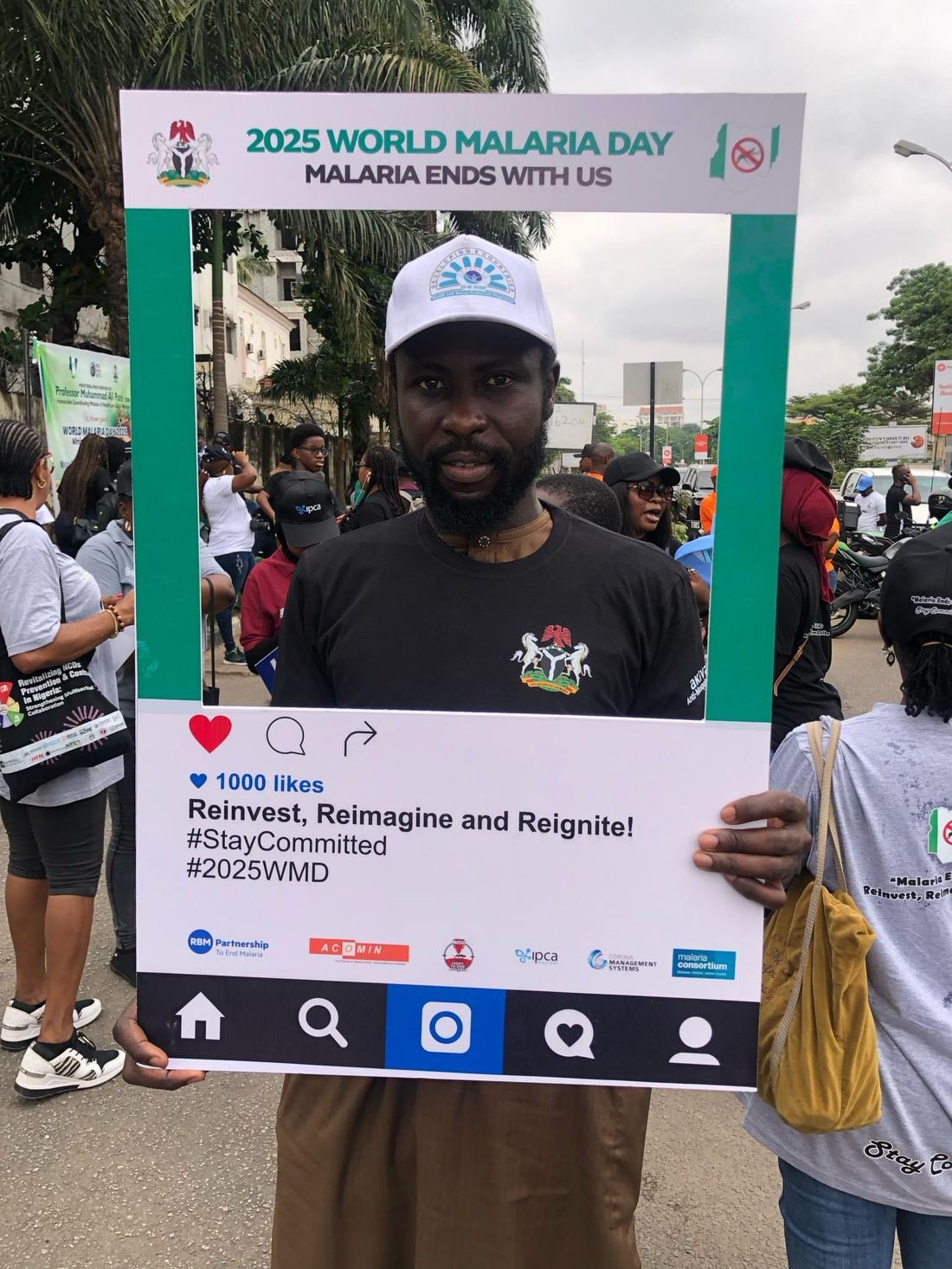
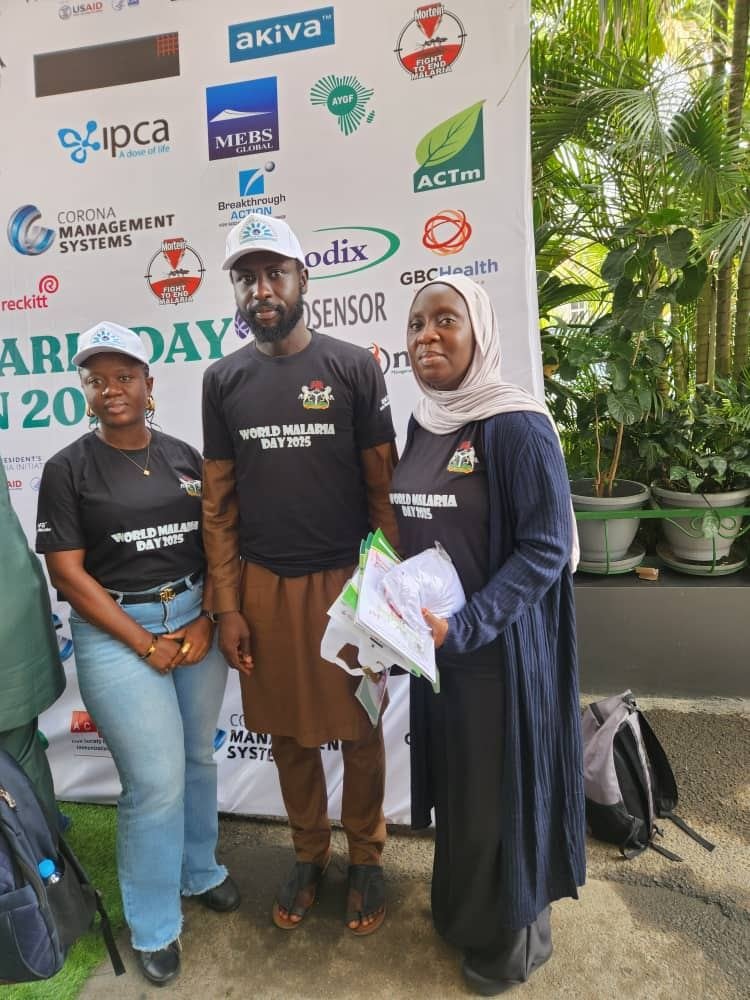
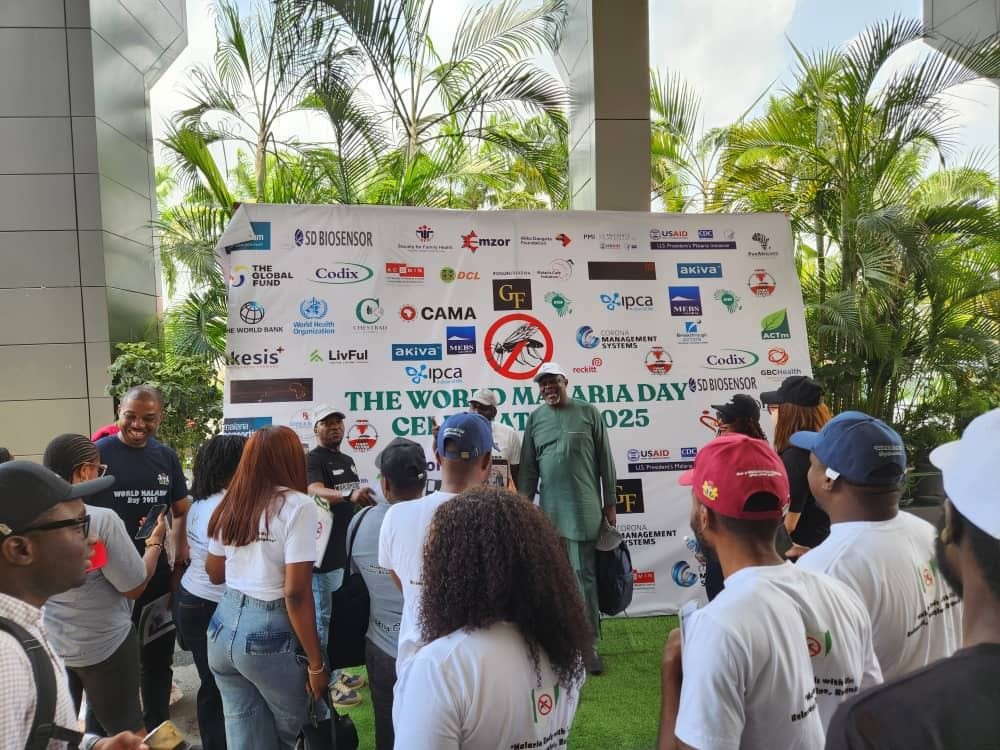
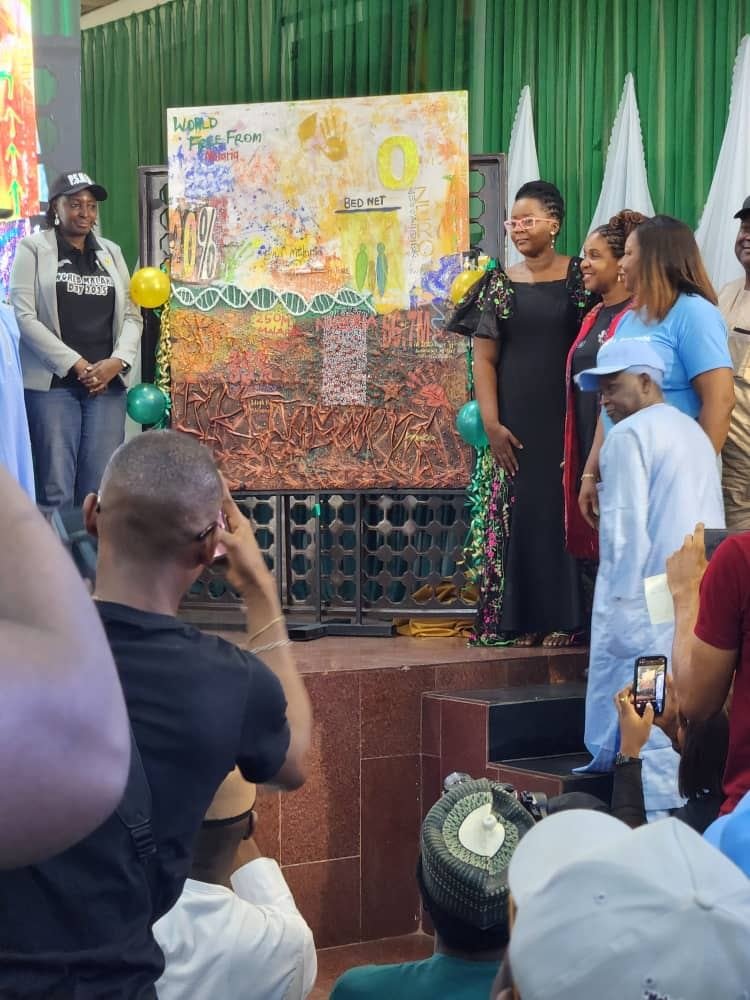
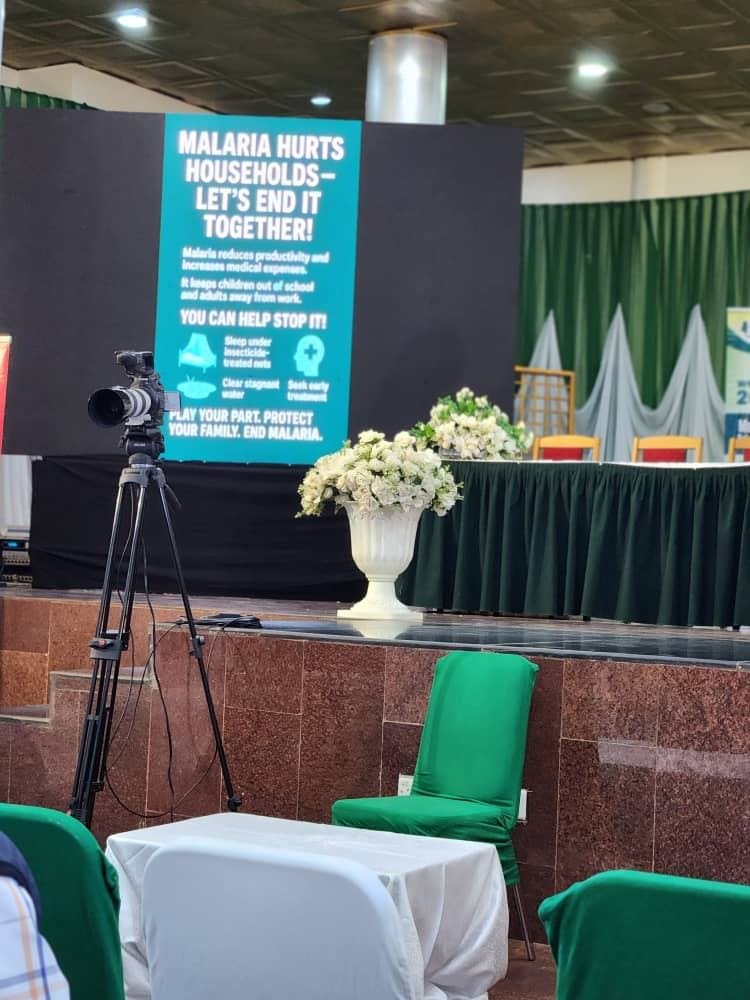
Photos from the 2024 Medical Mission and World Malaria Day outreach activities.
Download the complete report with state-by-state data, lessons learned and recommendations.
Mobilising Islamic Social Finance for Poverty Reduction and Social Protection — a flagship initiative of D-8 HSP under its Innovative and Sustainable Financing strategic pillar.
The Ummah Zakat Foundation (UZF) was established to harness the potential of Zakat, Sadaqah, Waqf and other forms of Islamic philanthropy to address poverty, vulnerability and social protection needs across D-8 communities.
UZF is based on the recognition that government resources alone cannot meet the scale of health and social protection challenges facing vulnerable populations — and that Islamic social finance can provide an important, complementary source of sustainable domestic resource mobilisation.
Significant charitable resources are mobilised every year, but conventional collection and distribution systems can face challenges relating to trust, transparency, accountability, beneficiary identification and limited visibility of impact. UZF addresses these challenges by combining Islamic principles, institutional governance and digital technology.
Mobilise more Zakat and Islamic philanthropy to contribute to poverty reduction, hunger reduction and improved wellbeing.
Create a transparent and accountable system for collecting and distributing Zakat and other charitable contributions.
Strengthen livelihoods and social solidarity by connecting resources to the people and communities that need them most.
At the centre of the UZF model is EazyZakat, a digital platform developed by D-8 HSP, available as a web and mobile application. It is designed to facilitate the collection, management and distribution of Zakat, Sadaqah and Waqf — connecting givers, beneficiaries and administrators through a transparent digital system.
The platform creates a traceable journey: giver → contribution → verification → beneficiary → utilisation → reporting.
Explore Eazy ZakatUZF’s operational model is guided by Islamic principles governing Zakat, including the application of Nisab, eligibility criteria, the Islamic calendar, non-interest banking arrangements and appropriate scholarly guidance. Beneficiaries are mapped according to the recognised categories of Zakat recipients.
UZF is designed as an institutional mechanism, not simply a donation platform. Its governance structure includes a Board of Trustees, Steering Committee and specialised technical and governance structures, supported by policies, procedures and digital accountability mechanisms.
UZF is being piloted in Nigeria as part of a broader vision for strengthening Islamic social finance across the D-8 community — building a trusted, scalable and technology-enabled system through which Zakat and other forms of Islamic philanthropy can contribute meaningfully to poverty reduction, food security, health and social protection.
Supporting the National Commission for Almajiri and Out-of-School Children Education (NCAOOSCE) in building the national strategy to return 20 million out-of-school children to education by 2027.
The National Commission for Almajiri and Out-of-School Children Education (NCAOOSCE) was established to lead Nigeria’s response to one of its most pressing education and social protection challenges: millions of children, including Almajiri pupils, remain outside the formal education system.
D-8 HSP supported the development of NCAOOSCE’s strategy document and participated in the Commission’s second stakeholder and validation engagement — contributing to a national roadmap that sits squarely at the intersection of D-8 HSP’s own mandate: health, social protection and human capital development for the most vulnerable.
“Our vision is to return 20 million children back to school by 2027,” — Hon. (Dr.) Mal. Sha’aban Sharada, OON, Executive Secretary, NCAOOSCE.
Out-of-school children face compounding risks — poor health outcomes, malnutrition, child labour and exclusion from social protection systems. NCAOOSCE’s strategy connects directly to D-8 HSP’s own commitment to SDGs 1, 2 and 3.
NCAOOSCE’s Strategic Plan sets out a ten-year vision — a Nigeria where every child, regardless of background, has access to quality education and the opportunity to reach their full potential. It is built around seven interconnected priorities, from data and quality education to child protection, advocacy, funding, skills acquisition and monitoring & evaluation, and is aligned with the Renewed Hope Agenda and SDG 4.
The plan blends reform of the traditional Tsangaya system with modern literacy, numeracy, digital and vocational skills — aiming to bring millions of Almajiri and out-of-school children into inclusive, quality learning over the next decade.
Targeted reduction in Nigeria’s out-of-school children population by 2035
Model learning centres planned across Nigeria’s senatorial zones
Of the Tsangaya education system targeted for reform, balancing religious values with modern learning
D-8 HSP supported the development of NCAOOSCE’s strategic plan, helping to shape a national roadmap for returning out-of-school children to education.
D-8 HSP participated in NCAOOSCE’s second stakeholder and validation engagement, joining government, traditional and community leaders to review and validate the strategy.
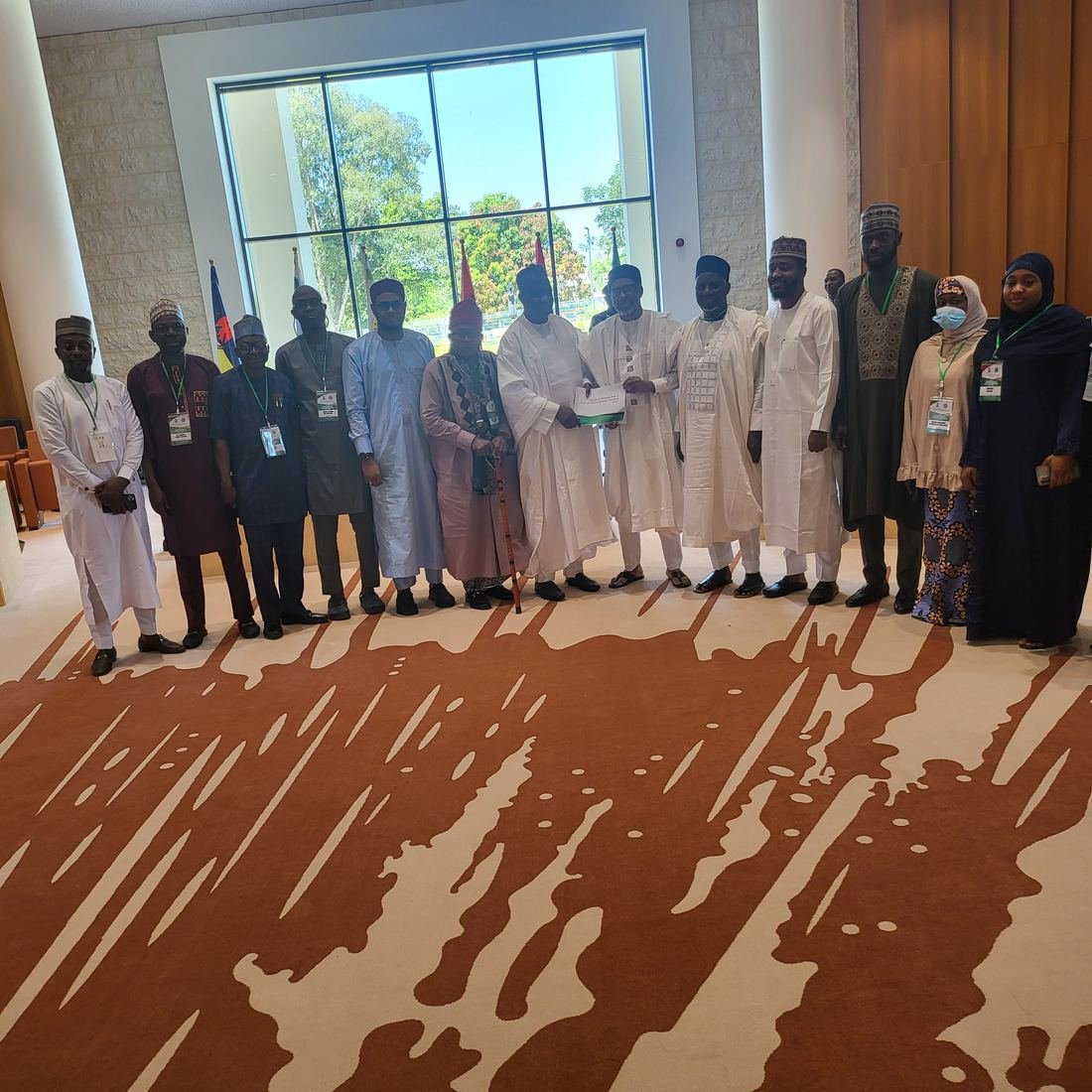
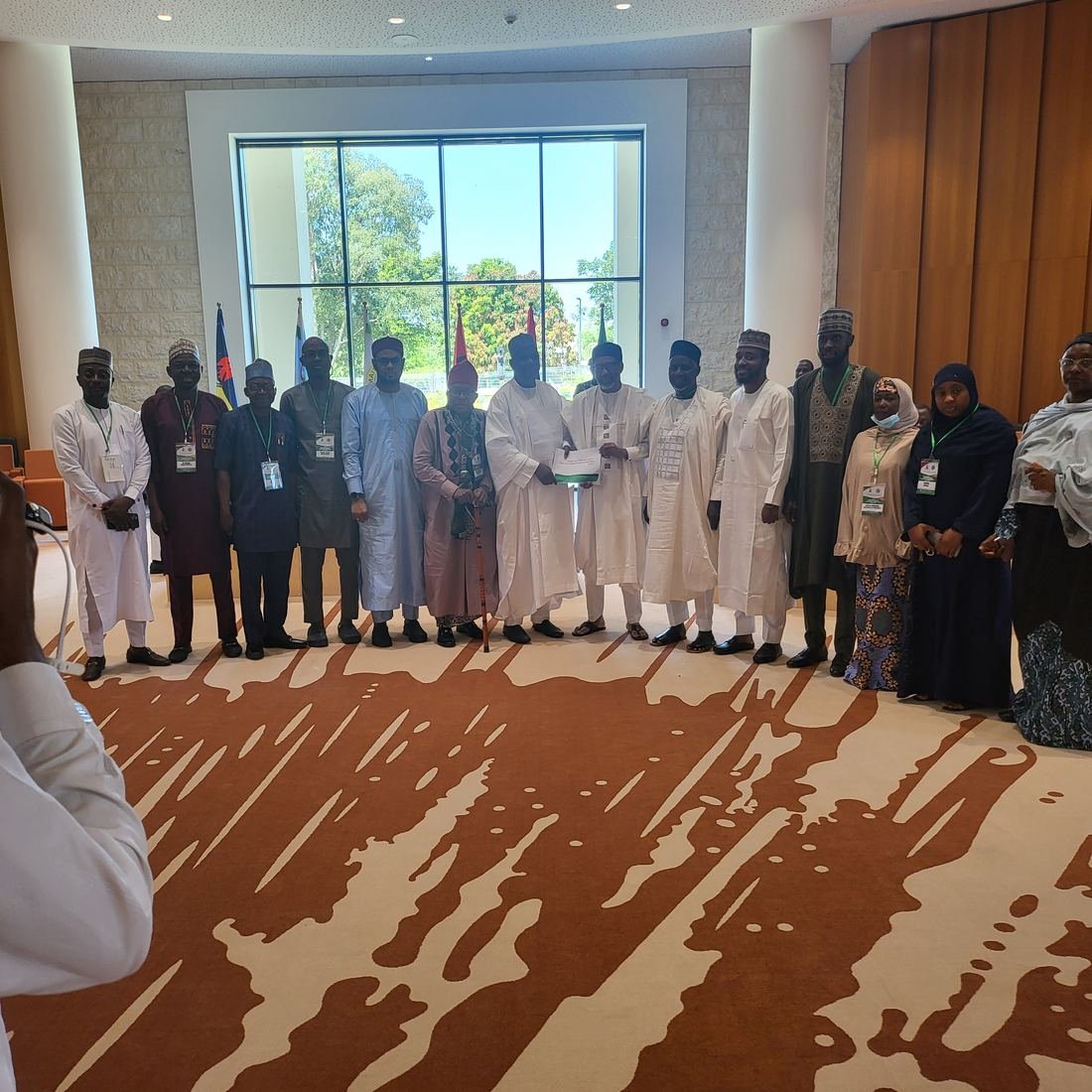
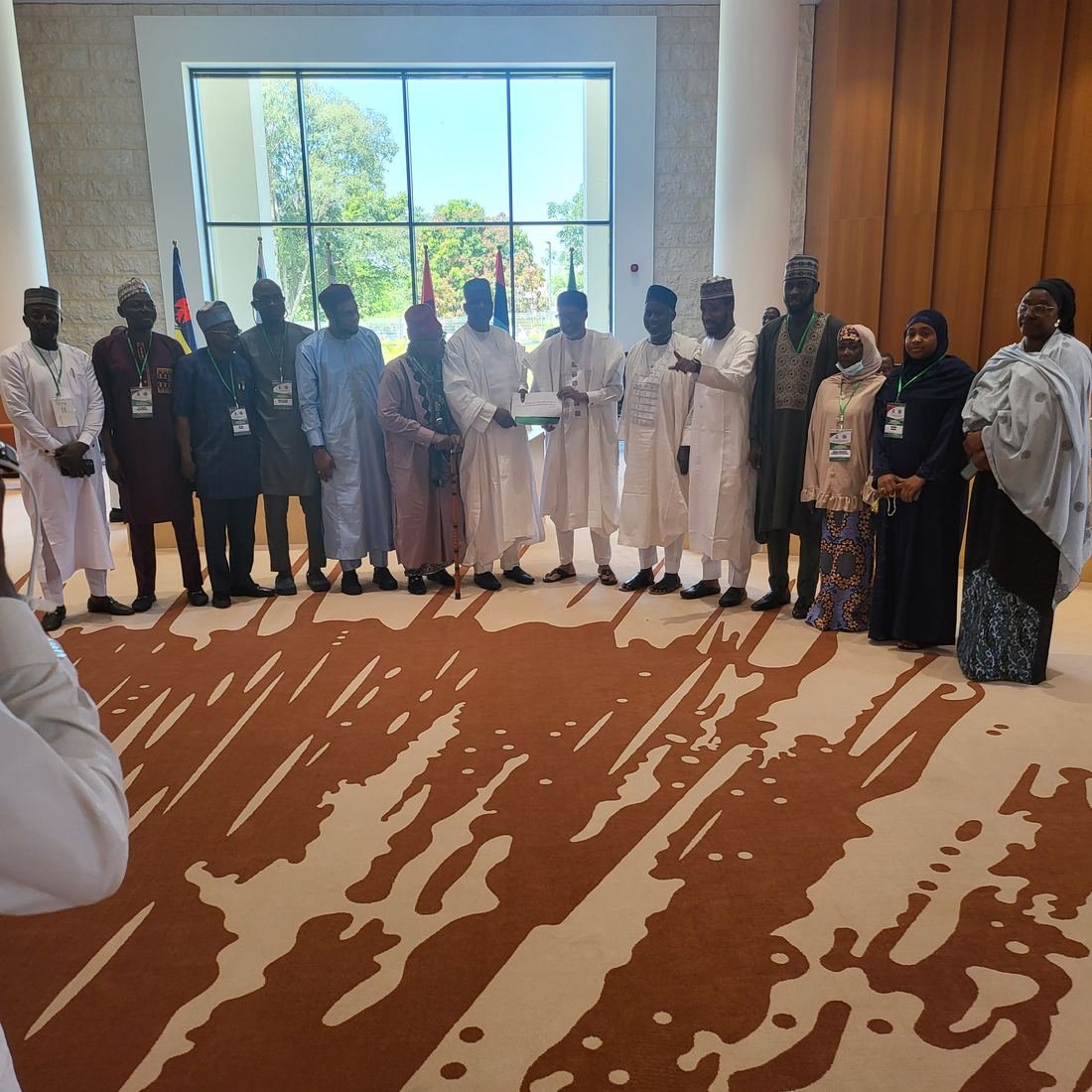
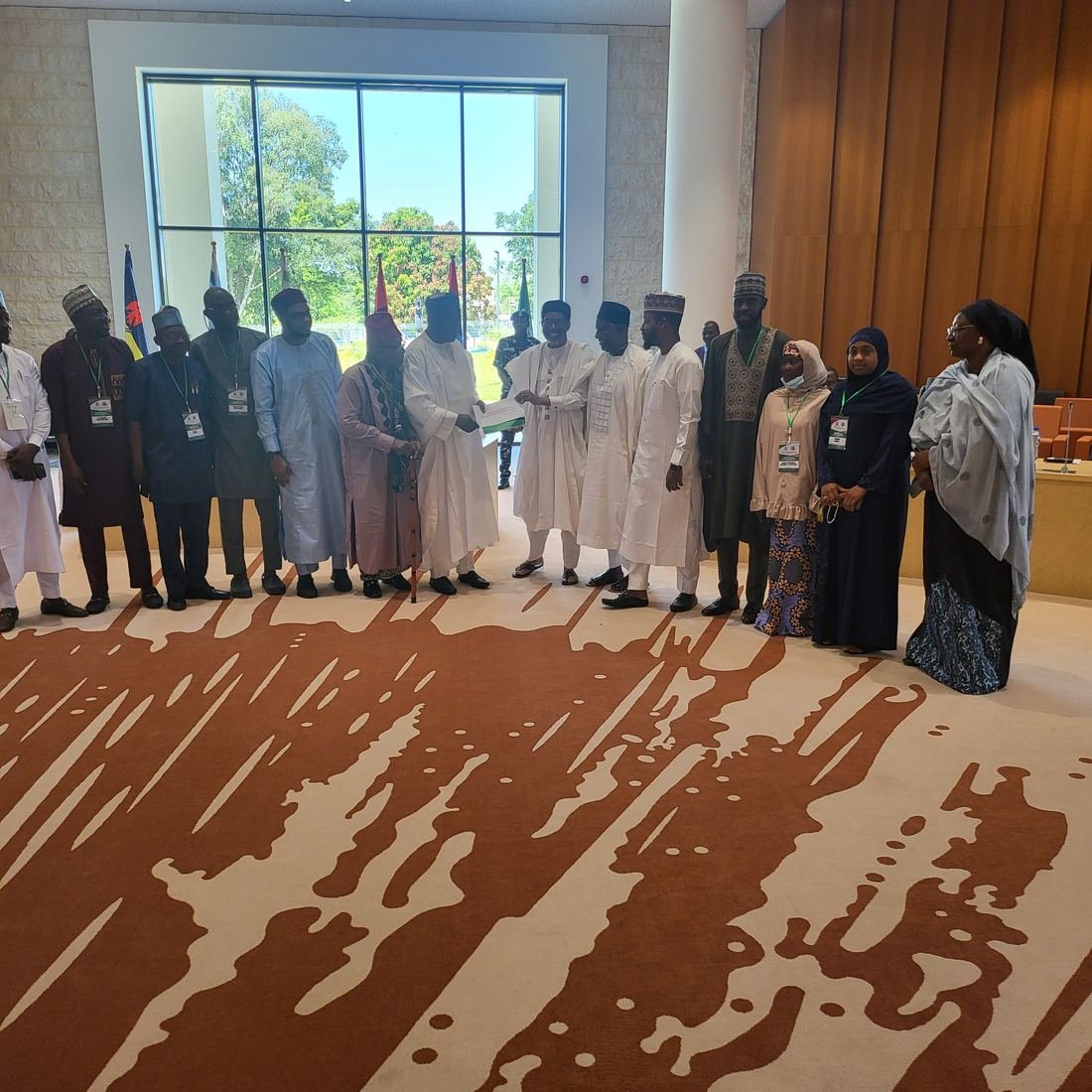
The National Commission for Almajiri and Out-of-School Children Education is one of D-8 HSP’s valued partners in strengthening human capital development across Nigeria.
Evidence from the field — download D-8 HSP’s reports on digital health testing, community research and medical mission outreach.
Findings from D-8 HSP’s moderated user-testing exercise with frontline workers on the CommCare Connect platform — covering the Mobile Redesign, Solicitations, OCS Tasking, Demographic Data Collection and Messaging.
Download Report (.pdf)Full report on the 2024 D-8 HSP Medical Mission and Outreach across Niger, Enugu, Jigawa, Kano and Kwara States and the FCT — including state-by-state data, lessons learned and recommendations.
Download Report (.pdf)Caregiver focus group findings on the use of traditional cosmetic products on infants and young children in Gombe State, and their implications for community health messaging.
Download Report (.pdf)Our foundational strategic plan — vision, mission, seven strategic pillars and the SET Programme guiding D-8 HSP’s work through 2025.
Read the StrategyAdditional publications, newsletters and impact reports will be added here as new programmes and research are completed.